what is cork vegan leather – Nature’s Finest Choice
In recent years there has been a growing demand for sustainable and eco-friendly materials and cork leather is one such material that has gained popularity. Cork leather, also known as cork fabric or cork ‘leather’, is a sustainable and eco-friendly alternative to animal leather. It is made from the bark of the cork oak tree, which grows mainly in the Mediterranean region. In this blog post we will look at what cork leather is, how it is made, its benefits and the difference between cork leather and animal leather.
Table of Contents
1.what is cork vegan leather – Nature’s Finest Choice
1.2.What styles of cork leather are available?
1.5.What are the benefits of cork leather?
1.6.What is cork leather used for
1.7.The difference between cork leather and animal leather
1.8.The environmental benefits of cork leather
What is cork leather?
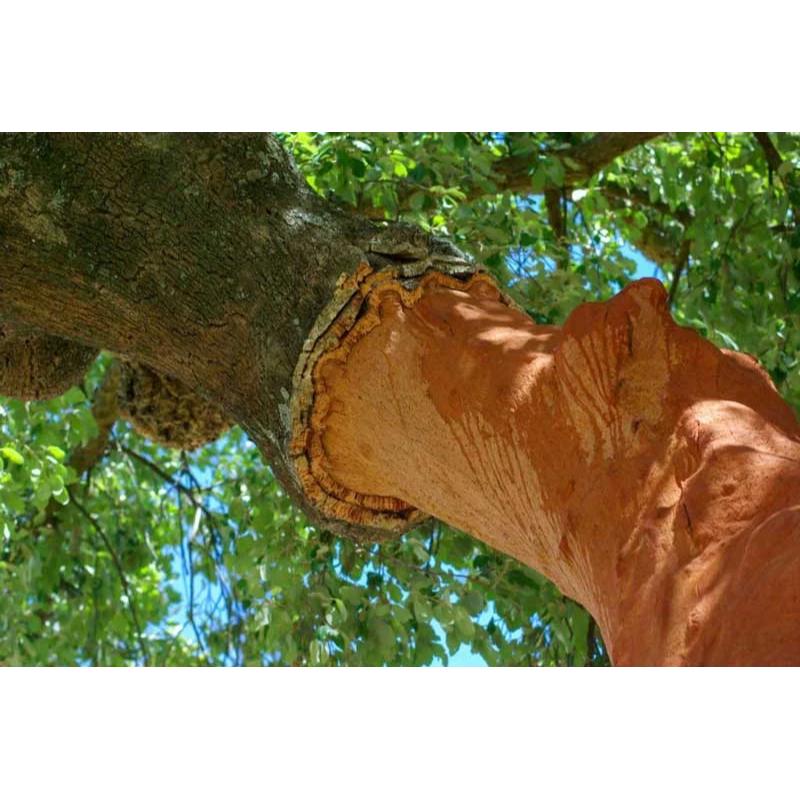
Cork leather is made from the outer bark of the cork oak (Quercus suber), an oak tree native to south-western Europe and north-western Africa. The cork oak has the unique property of allowing the outer bark to be harvested without harming the tree. Trained professionals harvest the cork bark every nine years, a process that does not damage the tree, which can live for over 200 years.
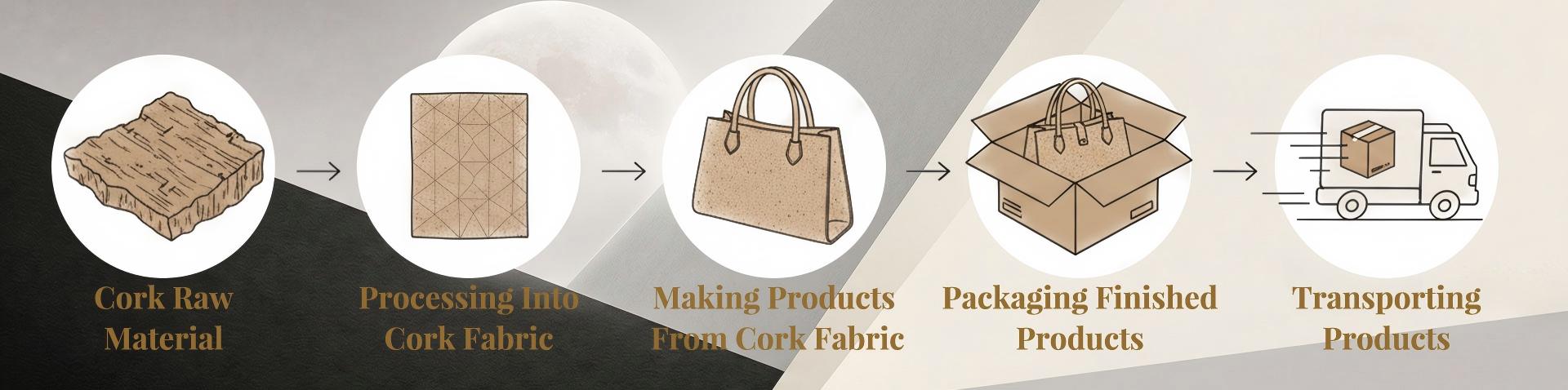
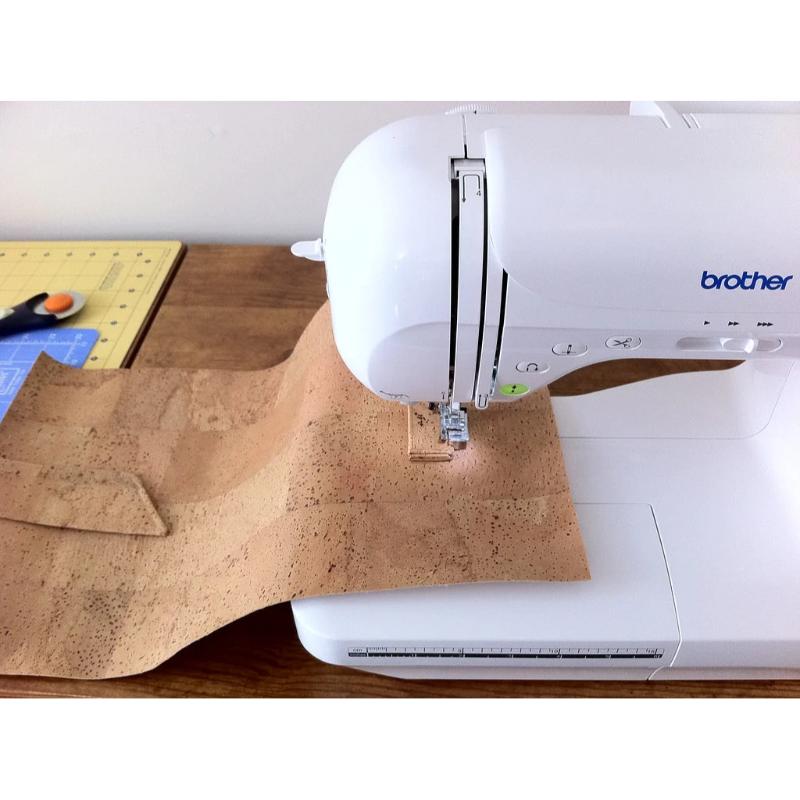
Once harvested, the bark is boiled, flattened and then sliced into thin sheets. The cork bark is cut into thin layers and then glued together with a natural latex adhesive to form a durable and flexible material. The result is a unique texture and look similar to traditional leather but with a distinctly natural and rustic feel. The backing material used in the production of cork leather can be made from a range of materials, including organic cotton, recycled PU, and vegetable fibre fabrics.
What styles of cork leather are available?
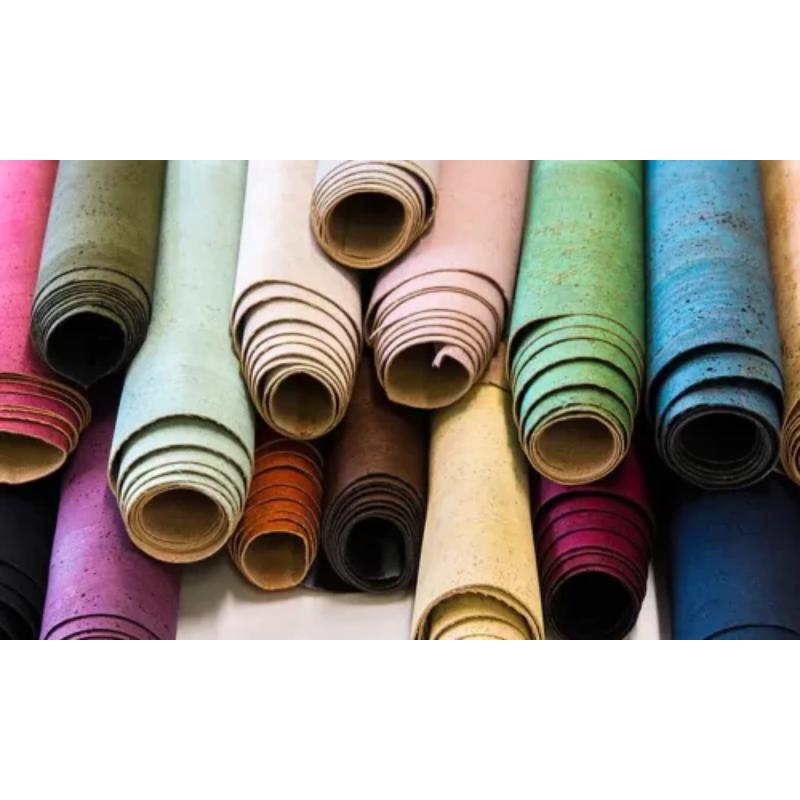
Cork leather comes in different styles depending on the finishing method used. Some common styles of cork leather include:
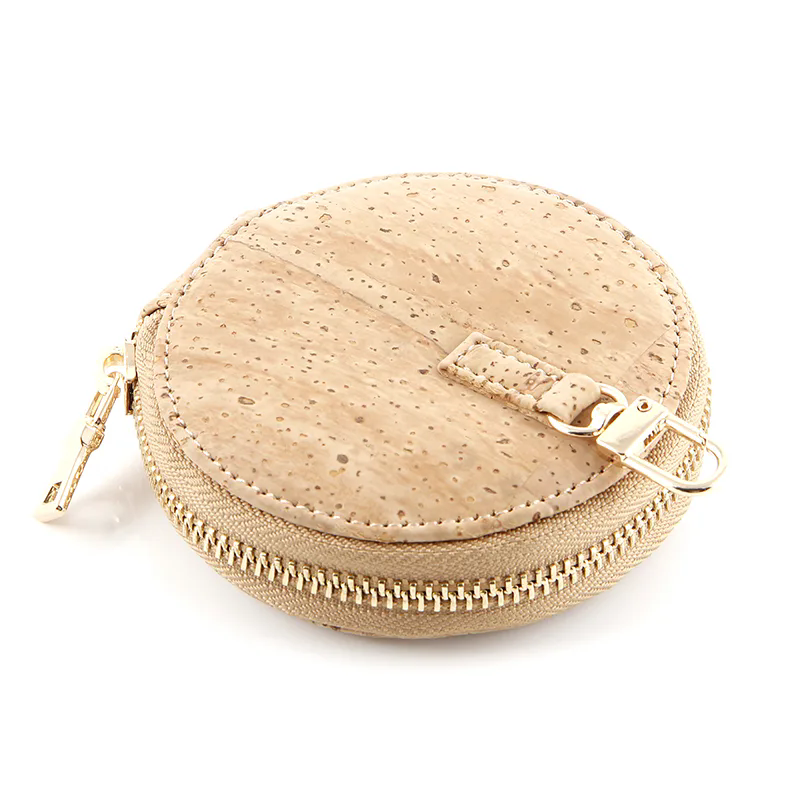
Natural Cork Leather:This is the most common style of cork leather and retains the natural look and texture of the cork bark, giving it a unique organic appearance.
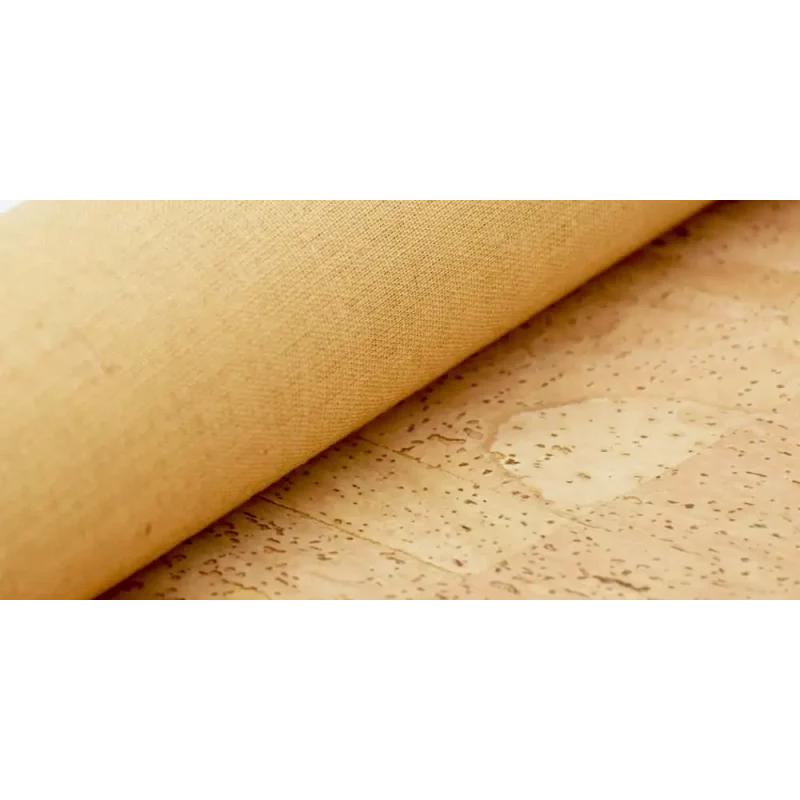
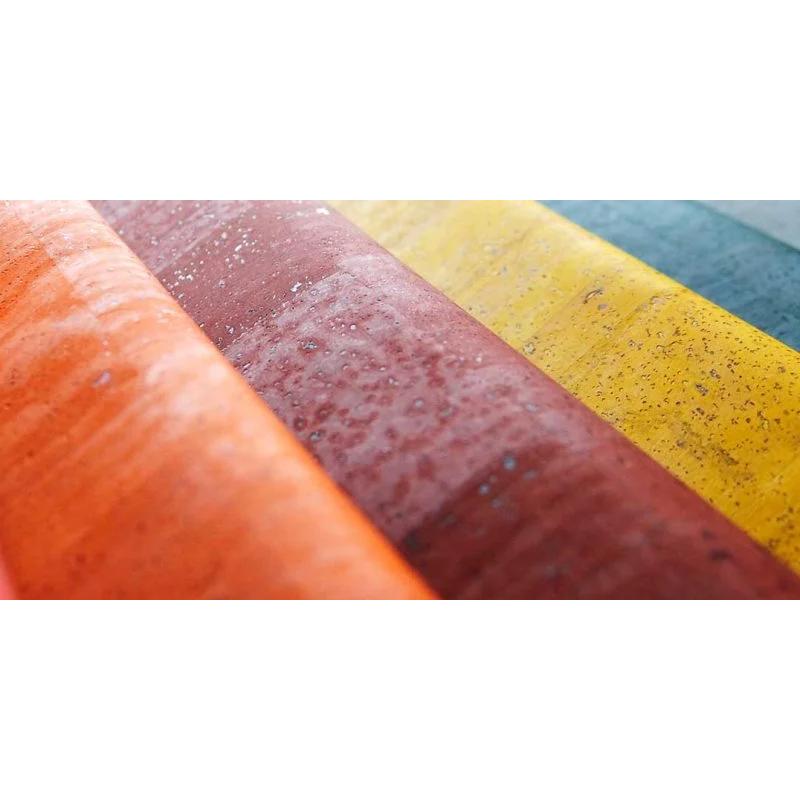
Colored Cork Leather: Cork can even be dyed, and because of the use of this natural pigment, a variety of different colored cork leathers can be produced to create a variety of designs.
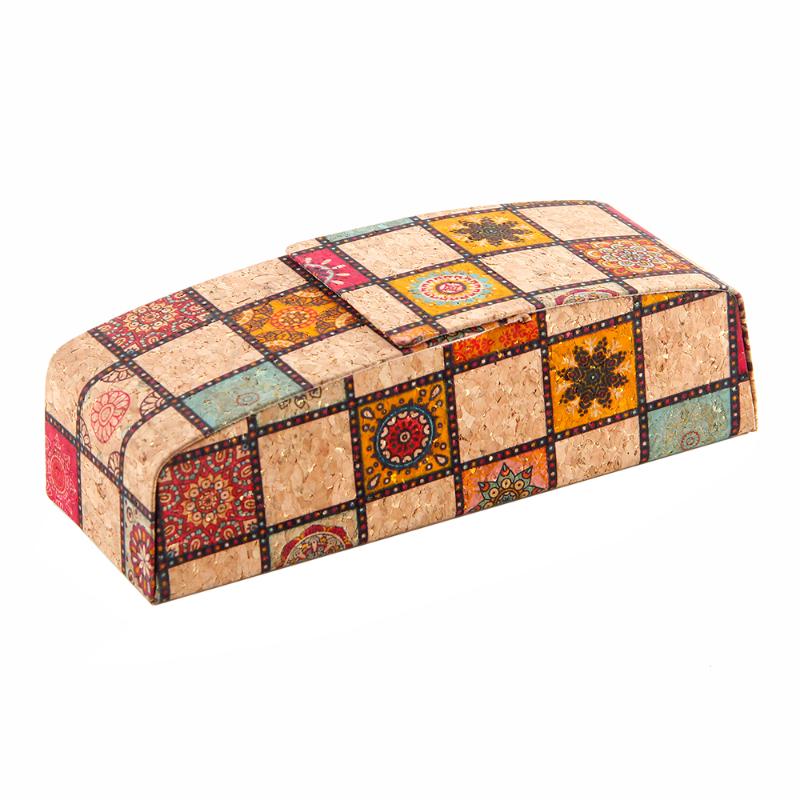
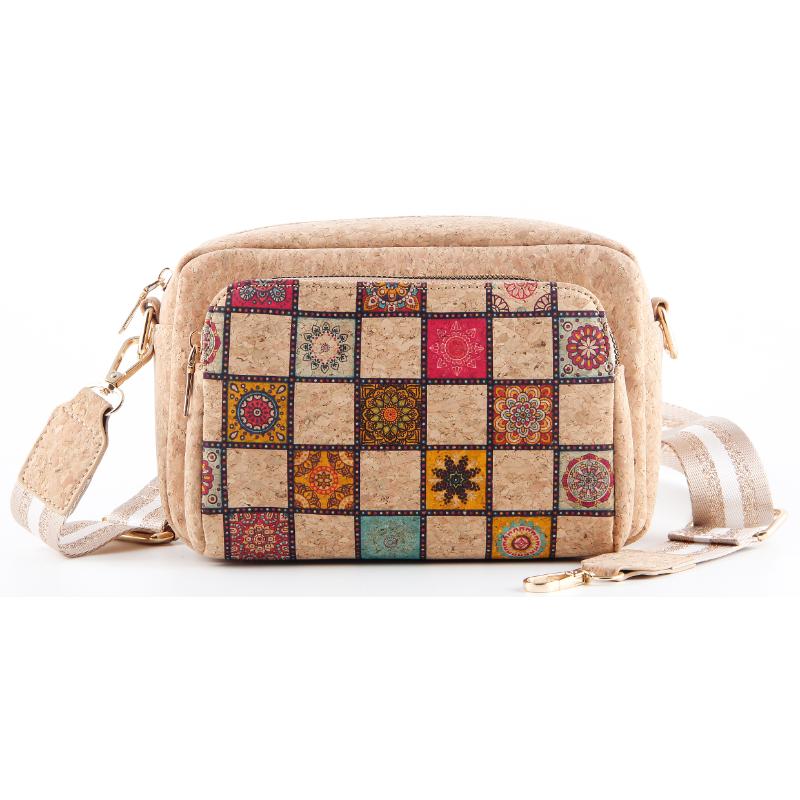
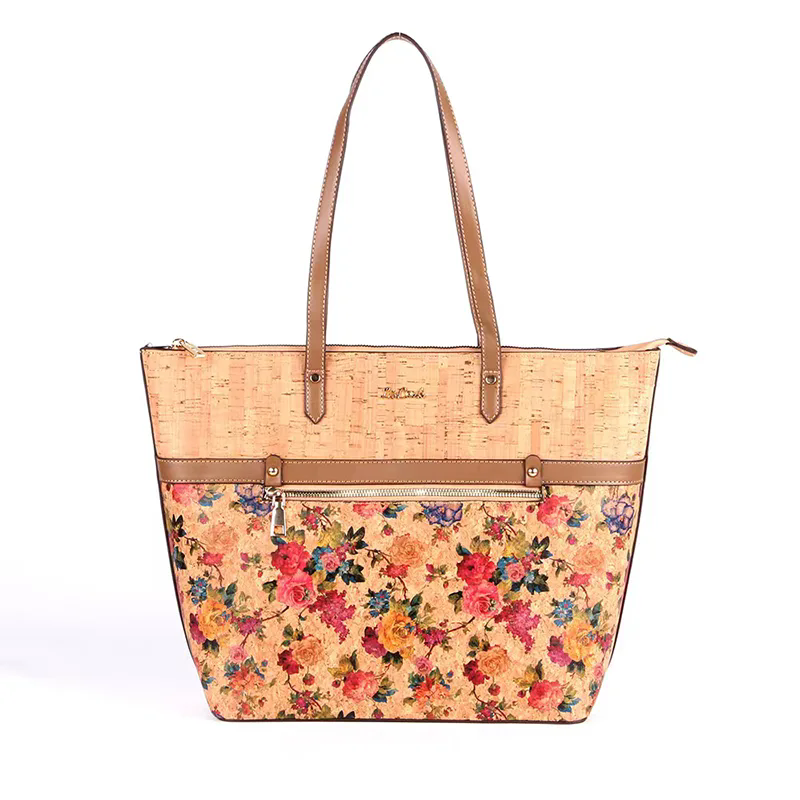
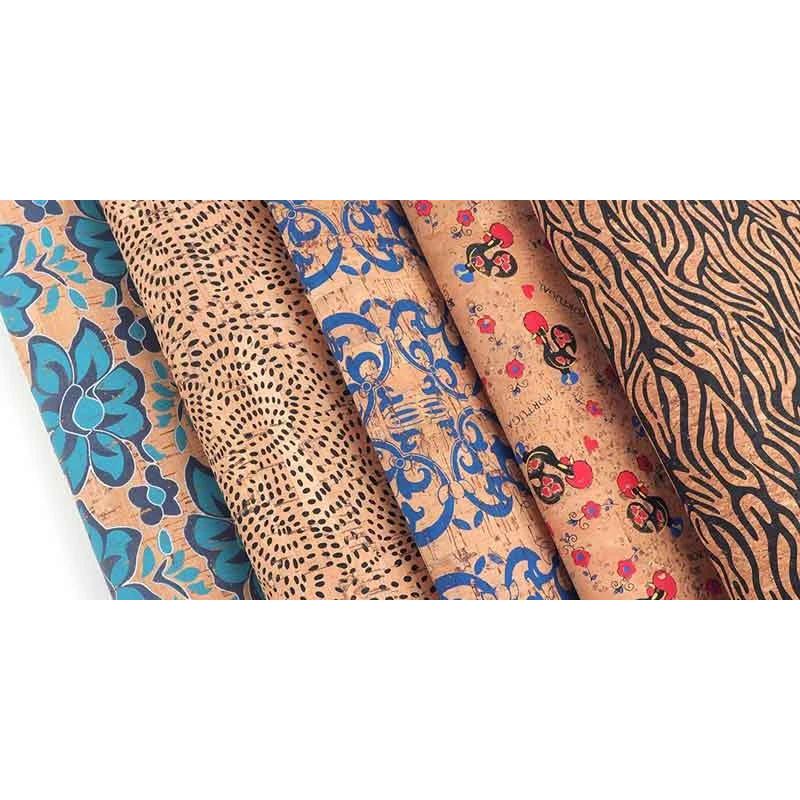
Printed Cork Leather: This cork veneer is printed with different patterns and designs, making it a popular choice for fashionable products.
Is cork Leather durable?
Cork veneer is a highly durable material that can last for many years with proper care. It is resistant to moisture, stains and scratches, making it the perfect choice for products that require durability and longevity.
The durability of cork leather is due to its unique cellular structure, which is made up of honeycomb cells. These cells are filled with air, giving the cork its weight and elasticity, as well as good shock absorption properties.
How is cork leather made?
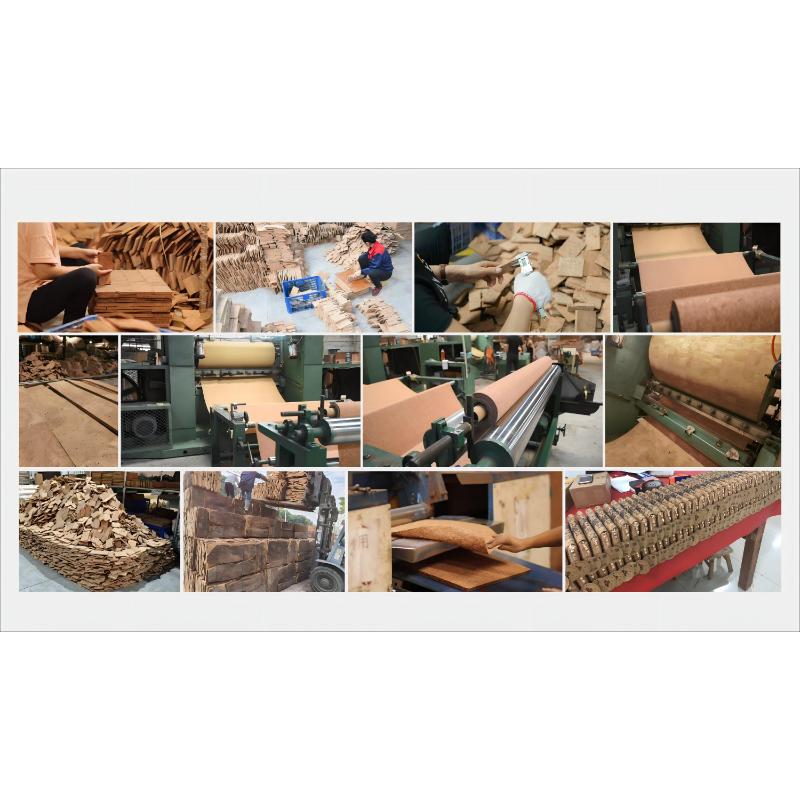
Harvesting the cork bark: The first step is to harvest the cork bark. The cork oak tree is stripped of its outer bark every 9-12 years, a process that does not harm the tree. The bark is then dried and stored for several months to prepare it for processing.
Debarking and splicing the cork: After removing the old bark and dirt from the surface, the raw cork is cut into pieces of a certain size and hand-selected pieces of high quality cork are spliced together (using natural resins) to form a whole.
Cutting and flattening the cork: the pieces are then heated and pressurised to make them more flexible and durable. A thin layer of fabric is usually added to the back of the cork to give it extra strength and stability.
Bonding of the cork layers:The cut cork paper is bonded to the fabric backing by a heating and pressing process. This creates a durable, flexible and waterproof material that can be cut, sewn and dyed just like any other fabric.
Finishing the cork leather: The cork veneer is then given various surface treatments to give it a smooth, soft texture and to protect it from water and stains. The finishes can be natural or synthetic, depending on the desired look and feel
What are the benefits of cork leather?
Sustainable and eco-friendly:
One of the main benefits of cork leather is that it is a sustainable and eco-friendly material. Unlike animal leather, which requires the raising and slaughtering of animals, cork leather is made from a renewable natural resource. In addition, cork oak trees are not cut down during the harvesting process, meaning that these trees can continue to absorb carbon dioxide from the atmosphere and provide a habitat for wildlife.Durable and long-lasting:
Cork leather is a durable and long-lasting material that resists wear and tear. It is also waterproof, making it ideal for handbags, wallets, and other accessories that are often exposed to the elements.Lightweight and soft:
Cork veneer is a lightweight and soft material that is comfortable to wear and easy to handle. It is also hypoallergenic, making it a good choice for people with sensitive skin.Versatility:
Cork leather is a versatile material that can be used for a variety of products including shoes, bags, wallets, and even furniture. It can be dyed in a variety of colors and can be embossed or imprinted with patterns or designs.Easy to clean:
Cork leather is easy to clean and maintain. It can be wiped clean with a damp cloth or washed with a mild soap and water solution.Aesthetics:
Cork leather has a unique and attractive appearance with its natural grain pattern varying on each piece. It is available in a range of colors and finishes, including metallic and matt, which makes it a versatile material for designers.
What is cork leather used for
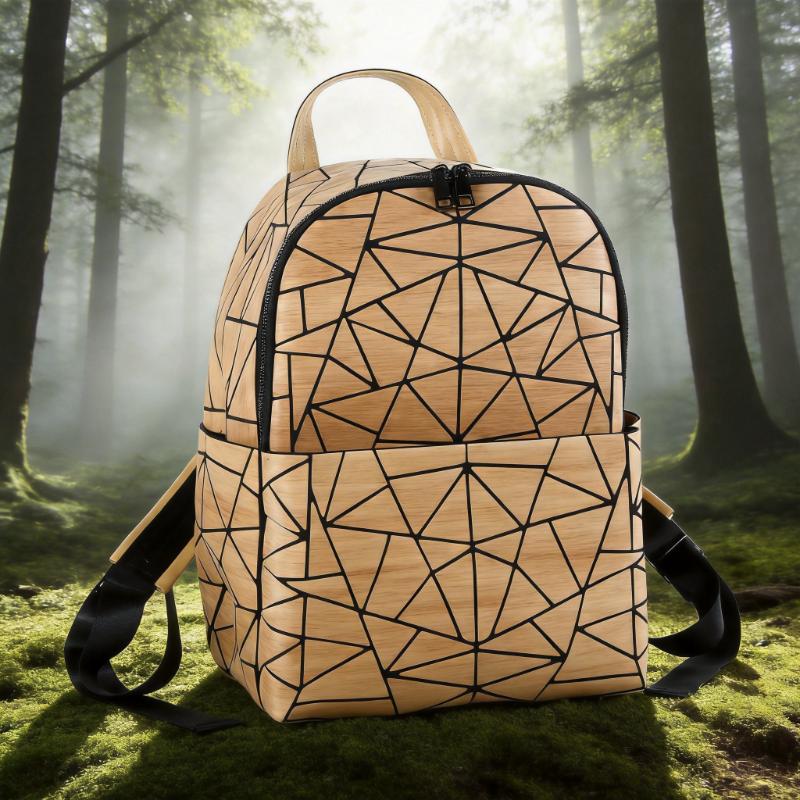
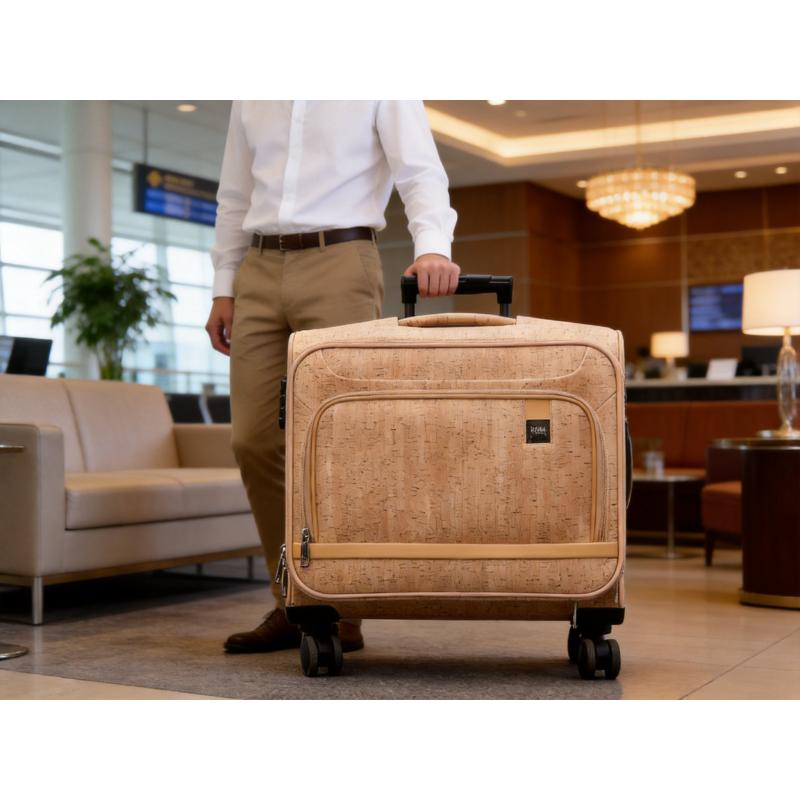
Luggage: Cork leather is a popular material for bags, including wallets, handbags and backpacks. It is lightweight, durable and waterproof, making it an ideal material for bags that are carried on a daily basis.
Shoes: Cork leather is also used in the production of shoes, particularly insoles and footbeds. , making it a great option for people who spend a lot of time on their feet.
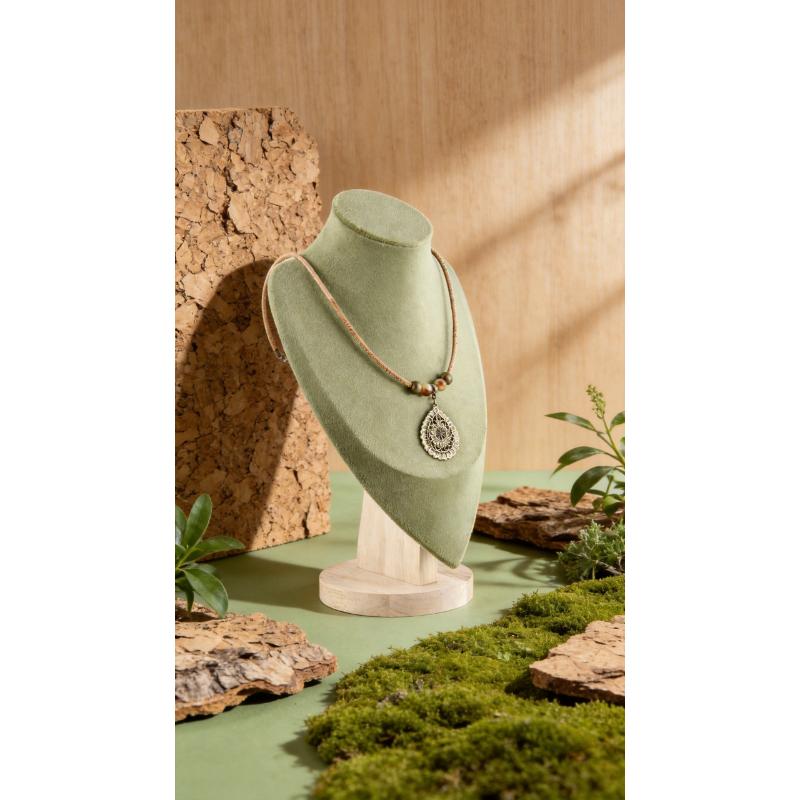
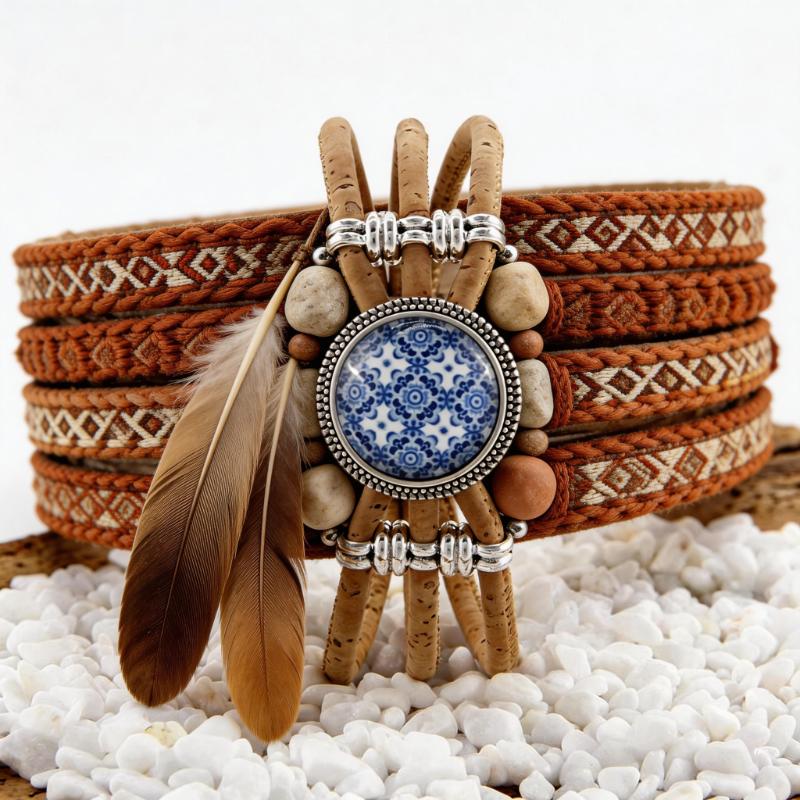
Jewellery: Cork leather can be used to make a variety of jewellery, including bracelets, earrings and necklaces. Its unique texture and colour make it a great option for statement pieces.
Home décor: Cork leather can also be used for home décors, such as coasters, placemats and table runners. Its waterproof and easy-to-clean properties make it ideal for kitchens and dining rooms.
Furniture: Cork leather is also used to make furniture such as chairs, sofas and stools. The durability and water resistance of cork leather make it an excellent choice for furniture used in high-traffic areas.
Flooring: Cork leather is also used as a flooring material, especially in commercial and high-traffic areas. The natural grain and look of cork leather makes it a popular choice for creating unique and stylish flooring.
Sporting goods: Cork leather can be used for the top layer of yoga mats, providing effective non-slip and a cushioning effect, as well as being odourless and easy to clean.
The difference between cork leather and animal leather
Although there are some similarities between cork leather and animal leather, there are some key differences between the two materials. Here are some of the main differences to be aware of:
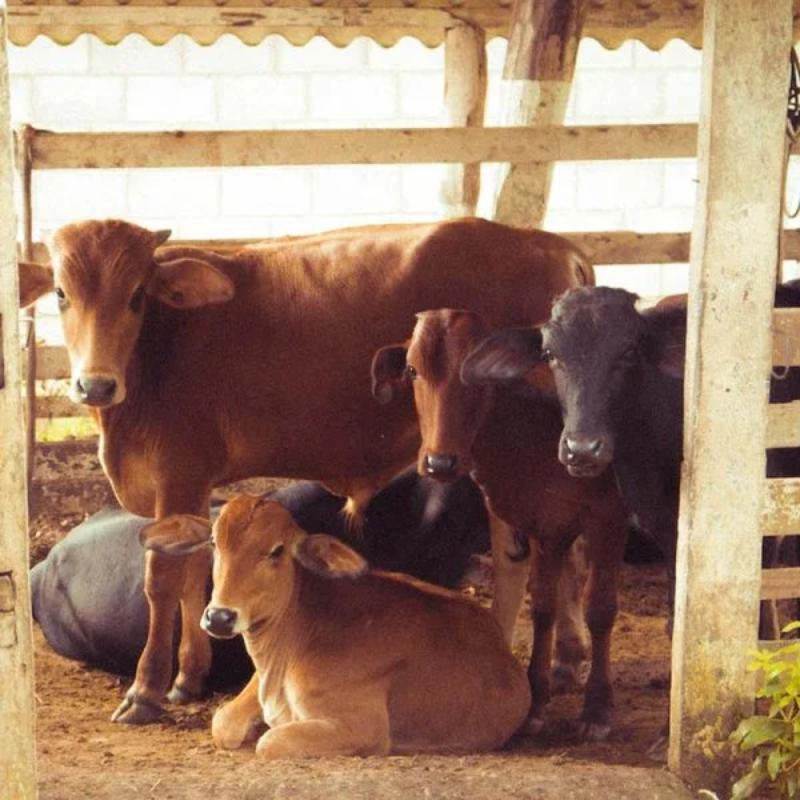
Sourcing: Cork leather is made from the bark of the cork oak tree, which is a renewable resource. Animal leather, on the other hand, is sourced from the hides of animals that are bred and slaughtered for their meat or skins. This makes cork leather a more sustainable and ethical choice.
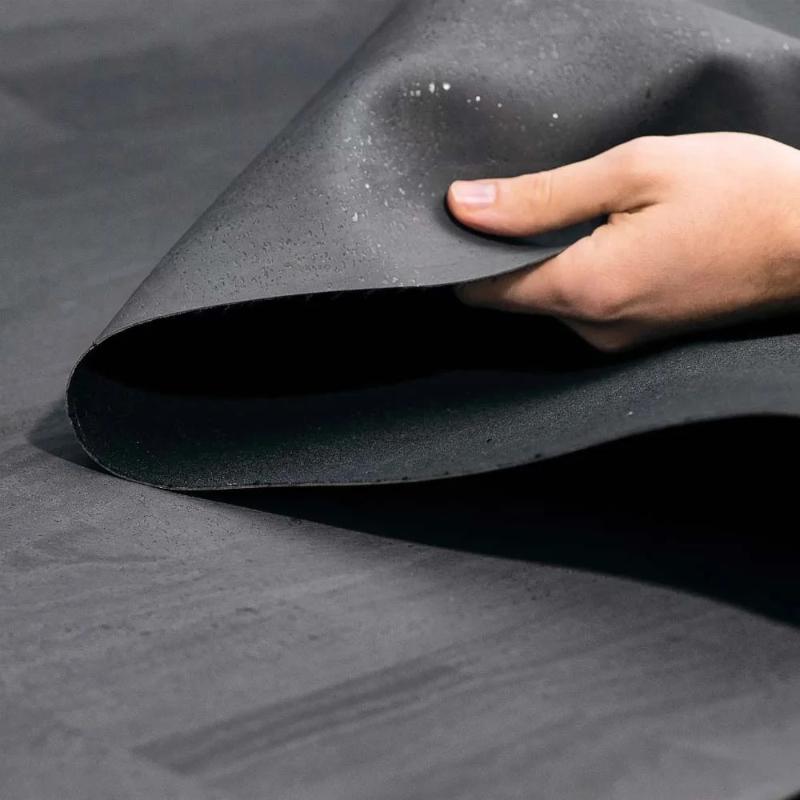
Texture: The texture of cork leather differs from that of animal leather. Cork leather has a smoother, more consistent texture, whereas animal leather has a more varied texture and can be either rough or smooth, depending on the type of animal and the tanning process used.
Durability: Although cork leather is quite durable, it can easily crack and tear if it is stretched too far or exposed to extreme temperatures.
Breathability: Cork leather is naturally breathable and does not trap moisture, which makes it a great choice for shoes and bags. Animal leathers, on the other hand, are less breathable and may require special treatment to maintain their breathability.
Waterproofing: Cork leather is naturally waterproof and does not require any additional treatment to protect it from water damage. Animal leather, however, is not naturally waterproof and requires special treatment to make it water resistant.
Environmental impact: The production of animal leather has a significant impact on the environment, including the release of greenhouse gases and the use of large amounts of water and energy. Cork leather, on the other hand, has a much lower environmental impact and is a more sustainable option.
Cost: Although the cost of cork leather varies depending on the quality and finish, it is generally more affordable than high quality animal leather. This makes it the perfect choice for designers who are looking for a more cost-effective alternative.
The environmental benefits of cork leather
Reduced carbon footprint:
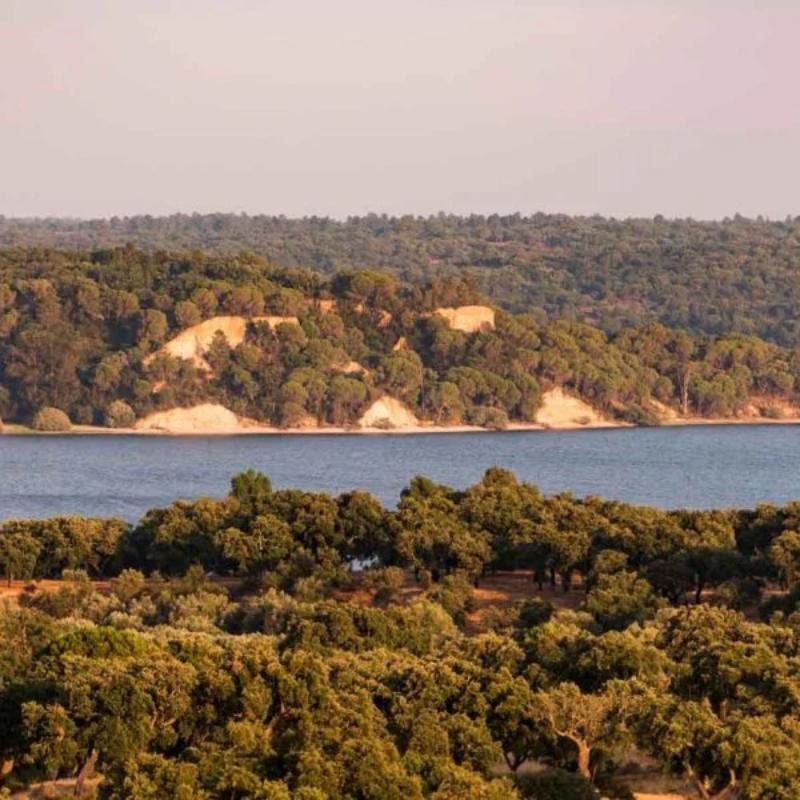
Cork oak forests act as carbon sinks, absorbing and storing carbon dioxide in the atmosphere. According to the Forest Stewardship Council (FSC), the carbon sequestration potential of cork oak forests is five times greater than that of non-cork forests. By using cork leather instead of traditional leather, up to 24 kg of CO2 can be reduced for every square metre of leather produced. According to the study, cork oak forests could sequester 14.5 million tonnes of carbon dioxide per year, equivalent to the annual emissions of three million cars.Protecting biodiversity:
The cork oak forest ecosystem is home to a variety of flora and fauna, including endangered species such as the Iberian lynx and the Barbary macaque. Maintaining these forests is essential for the conservation of biodiversity. The Cork Oak Forest is one of the world’s 35 biodiversity hotspots.Conserving water :
Cork leather production requires very little water compared to traditional leather production, which can consume up to 20,000 litres of water per kilogram. In contrast, cork leather production requires only a fraction of this amount, as cork oaks are able to absorb water from the soil and do not require irrigation. In fact, Portugal’s cork oak forests, which produce more than 50% of the world’s cork, have a water footprint 10 times lower than that of non-irrigated farmland.Durability and recyclability :
Cork leather is a durable material that will last for many years, reducing the need for frequent replacement. Cork leather is made from by-products of the cork industry that would otherwise be discarded, and by using this material, waste is reduced and a circular economy is promoted. Moreover, cork leather is biodegradable and can be easily composted at the end of its life, unlike synthetic leather made from petrochemicals.Durability and recyclability :
Cork leather is a durable material that will last for many years, reducing the need for frequent replacement. At the end of its useful life, cork leather can be recycled or biodegraded, further reducing its impact on the environment
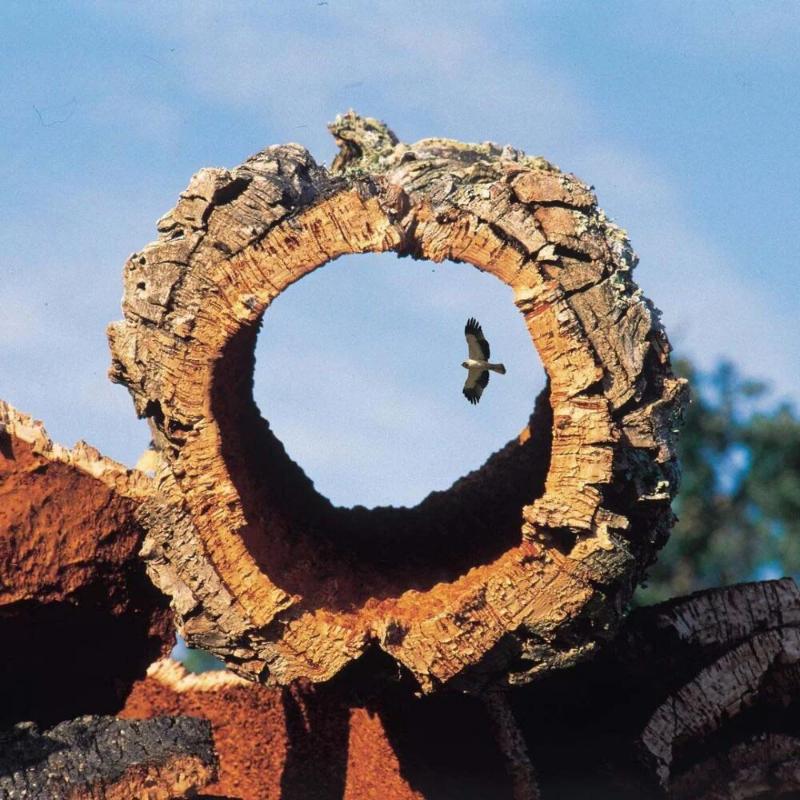
Cork leather is a sustainable and eco-friendly alternative to traditional animal leather. It is made from the bark of the cork oak tree, which is harvested without harming the tree, making it a renewable resource. Cork leather is available in a variety of styles and textures, making it a versatile choice for fashion and accessories. It is also highly durable, lightweight and hypoallergenic making it a great choice for those with sensitive or allergic skin. Cork leather can be used for a variety of products, from fashion and accessories to home décor and sports equipment. The key differences between cork leather and animal leather are its sustainability, appearance, durability, weight and price. Overall, cork leather is a great option for those looking for a sustainable and eco-friendly alternative to traditional animal leather.
Related News
- Derived from nature, crafted for fashion: The transformation journey of a piece of cork bark
- How To Win Clients And Influence Markets with CORK
- 6 Reasons Why Vegan Cork Handbags Are Better!
- How to maintain the cork bag
- Sustainable cork bags guide: everything you need to know
- Cork-Bags Industry Report: From Bark to Fashion, the Rise of Sustainability
Leave me a message