How Cork Handbags Redefine Sustainable Fashion and Practical Elegance?
Article Abstract
Cork handbags are emerging as a strong alternative to traditional leather and synthetic bags, combining sustainability, durability, and modern aesthetics. This article explores how cork handbags are made, why they are becoming popular, their advantages and limitations, and how consumers can choose the right product for different lifestyles. It also provides a practical buying guide and answers common questions to help readers make informed decisions.
Table of Contents
- 1. Introduction to Cork Handbags
- 2. What Makes Cork a Unique Material?
- 3. Key Advantages of Cork Handbags
- 4. Cork vs Traditional Leather Bags
- 5. How to Choose the Right Cork Handbag
- 6. Maintenance and Care Tips
- 7. Environmental and Ethical Impact
- 8. Frequently Asked Questions
- 9. Conclusion and Buying Advice
1. Introduction to Cork Handbags
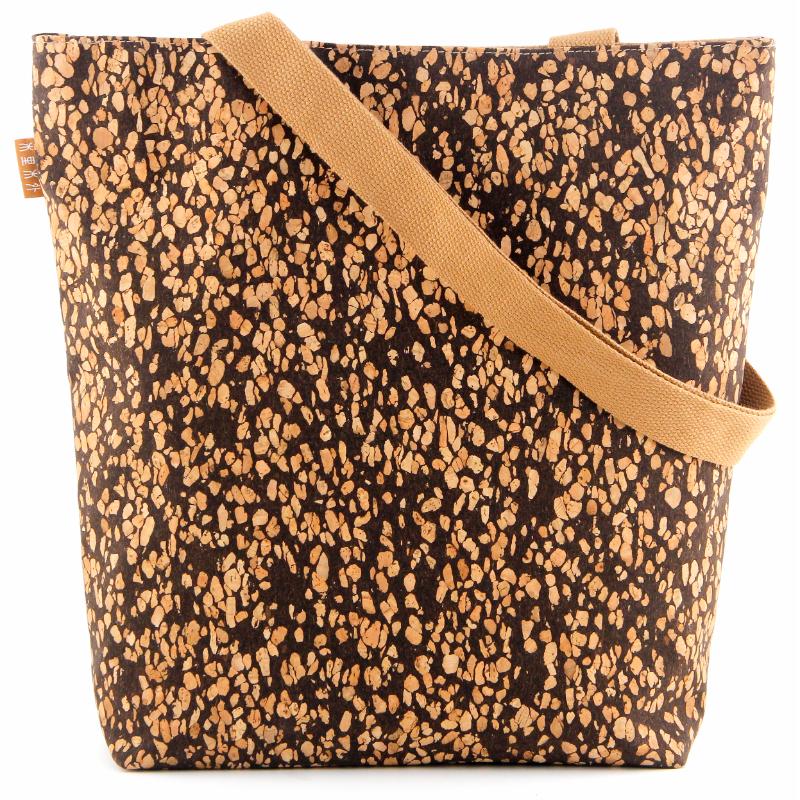
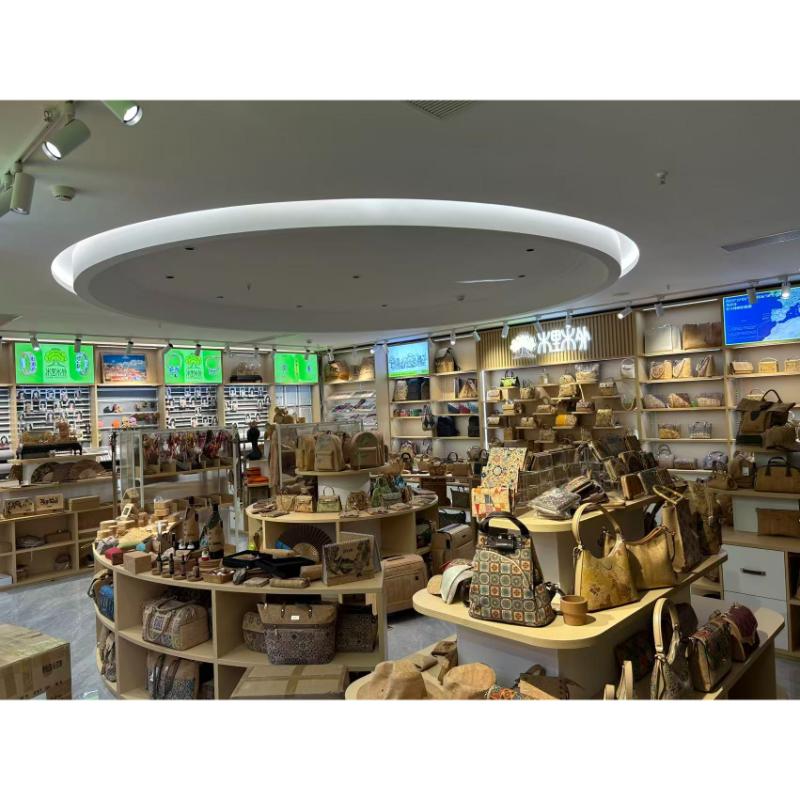
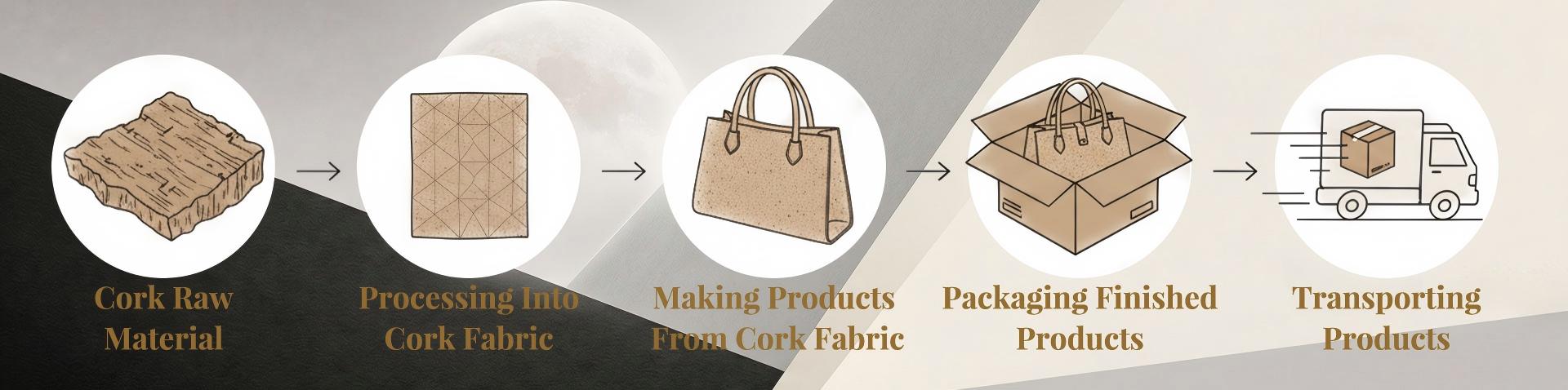
Cork handbags are designed using natural cork harvested from the bark of cork oak trees. Unlike many conventional fashion materials, cork can be collected without cutting down the tree, making it a renewable and environmentally responsible resource. Over the past decade, cork-based fashion accessories have gained attention among designers and consumers seeking sustainable alternatives.
Brands like Guangzhou Hillwood Luggage & Leather Co., Ltd. have been actively developing cork handbag collections that merge functionality with aesthetic appeal, helping bridge the gap between eco-conscious production and modern fashion demand.
2. What Makes Cork a Unique Material?
Cork is harvested from the outer bark of the cork oak tree, primarily found in Mediterranean regions. The harvesting process does not damage the tree, and the bark regenerates naturally every 9–12 years. This makes cork one of the few truly renewable fashion materials available today.
Key material properties include:
- Lightweight structure with natural elasticity
- Water-resistant surface texture
- Hypoallergenic and non-toxic composition
- High durability under daily use conditions
These properties make cork particularly suitable for handbags that require both visual appeal and long-term usability.
3. Key Advantages of Cork Handbags
Cork handbags are not just a design trend—they offer practical benefits that address common consumer concerns such as durability, sustainability, and comfort.
- Eco-friendly production: No tree cutting is required during harvesting.
- Lightweight comfort: Ideal for daily commuting and travel use.
- Durability: Resistant to scratches and wear over time.
- Water resistance: Naturally repels moisture and light rain.
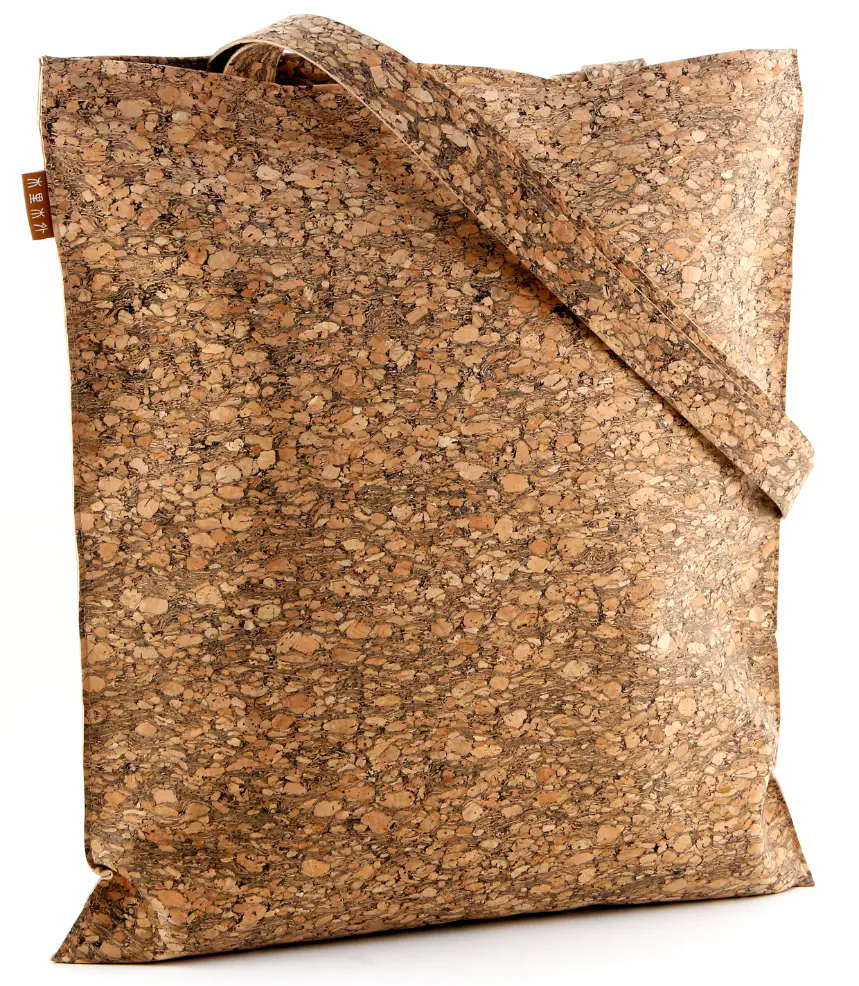
- Unique texture: Each piece has a distinctive natural pattern.
These benefits position cork handbags as a practical choice for consumers seeking a balance between sustainability and everyday functionality.
4. Cork vs Traditional Leather Bags
To better understand the value of cork handbags, it is useful to compare them with traditional leather products.
| Feature | Cork Handbags | Traditional Leather Bags |
|---|---|---|
| Material Source | Renewable cork bark | Animal leather |
| Weight | Lightweight | Medium to heavy |
| Water Resistance | High | Moderate (requires treatment) |
| Environmental Impact | Low | Higher due to livestock industry |
| Texture Variation | Natural and unique | Uniform but processed |
While leather remains a luxury staple, cork handbags are increasingly chosen by consumers who prioritize environmental awareness and lightweight practicality.
5. How to Choose the Right Cork Handbag
Selecting a cork handbag requires attention to design, functionality, and intended usage. Below is a practical checklist to guide your decision.
- Purpose: Daily use, travel, or formal occasions.
- Size: Compact, medium, or large capacity depending on needs.
- Interior structure: Compartments for organization improve usability.
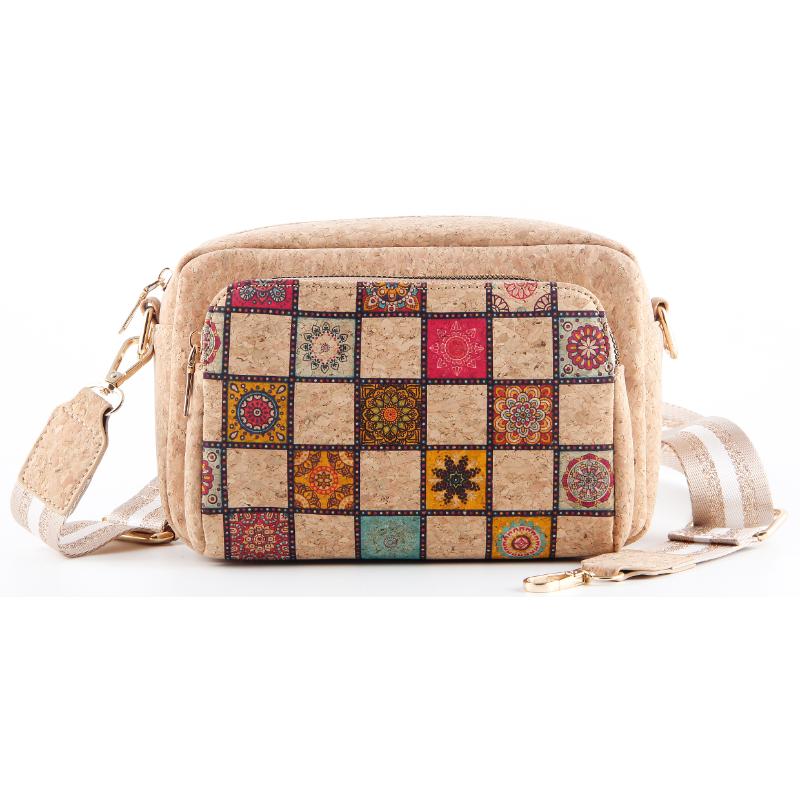
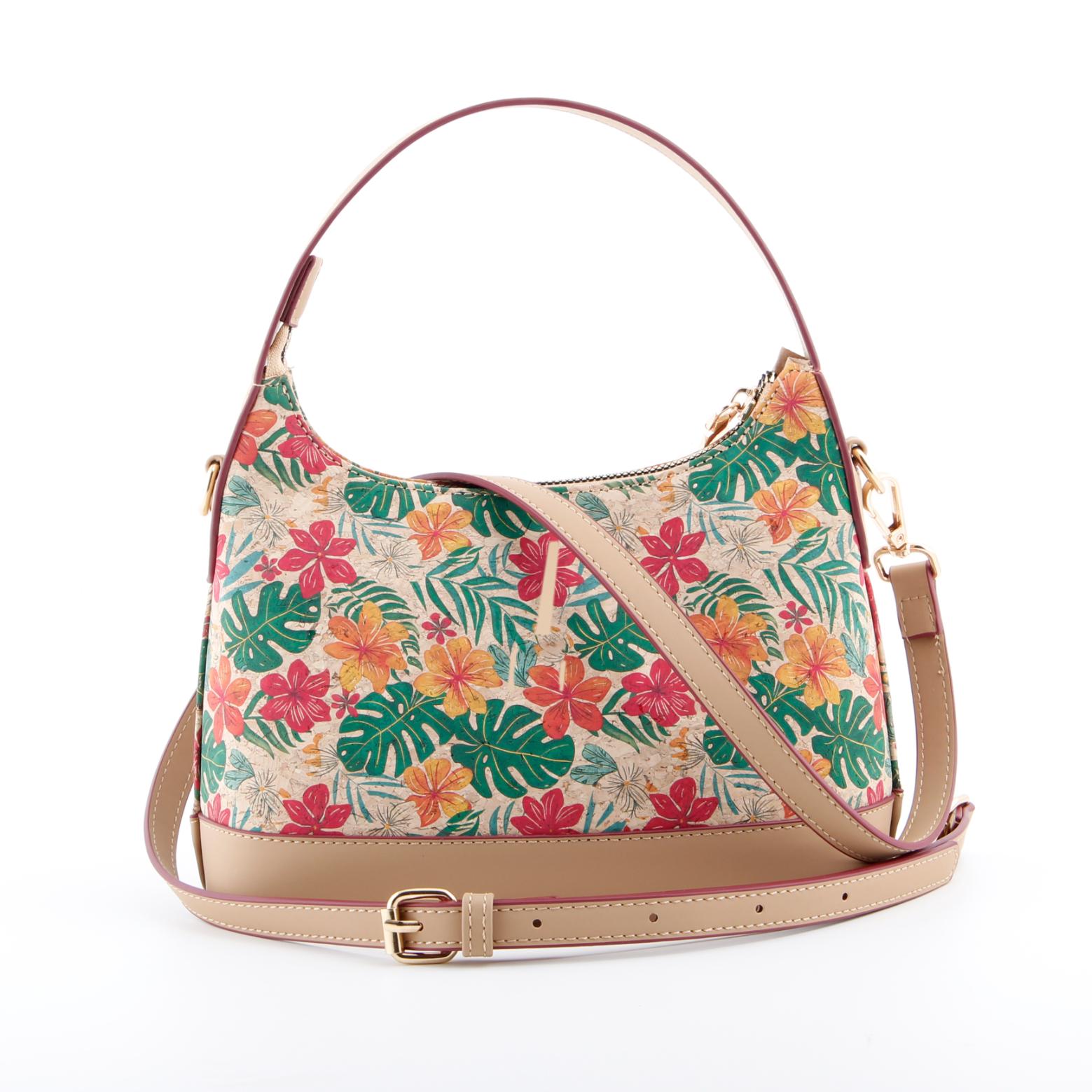
- Strap design: Adjustable or detachable straps add versatility.
- Craftsmanship: Stitching quality and lining materials affect durability.
Manufacturers such as Guangzhou Hillwood Luggage & Leather Co., Ltd. emphasize detailed craftsmanship and functional design to ensure that cork handbags meet diverse customer expectations.
6. Maintenance and Care Tips
Cork handbags are relatively easy to maintain compared to traditional leather products. However, proper care can extend their lifespan significantly.
- Clean with a soft damp cloth instead of harsh chemicals
- Avoid prolonged exposure to direct sunlight
- Store in a dry, ventilated environment
- Avoid overloading the bag to maintain shape
With minimal maintenance, cork handbags can retain their appearance and functionality for years.
7. Environmental and Ethical Impact
One of the strongest advantages of cork handbags lies in their environmental contribution. Cork harvesting supports biodiversity and helps maintain cork oak forests, which are essential carbon sinks.
Additionally, cork production supports rural economies in harvesting regions, creating a sustainable supply chain that benefits both people and the environment.
As global consumers become more environmentally conscious, cork handbags are positioned as a meaningful step toward responsible consumption.
8. Frequently Asked Questions
Q1: Are cork handbags durable enough for daily use?
Yes, cork handbags are highly durable and resistant to wear, making them suitable for everyday use.
Q2: Do cork handbags get damaged by water?
Cork is naturally water-resistant, though it is still recommended to avoid prolonged soaking.
Q3: Are cork handbags eco-friendly?
Yes, cork is a renewable material harvested without harming trees, making it environmentally responsible.
Q4: How does cork feel compared to leather?
Cork has a softer, lighter texture with a natural grain pattern that differs from traditional leather.
Q5: Can cork handbags be used for formal occasions?
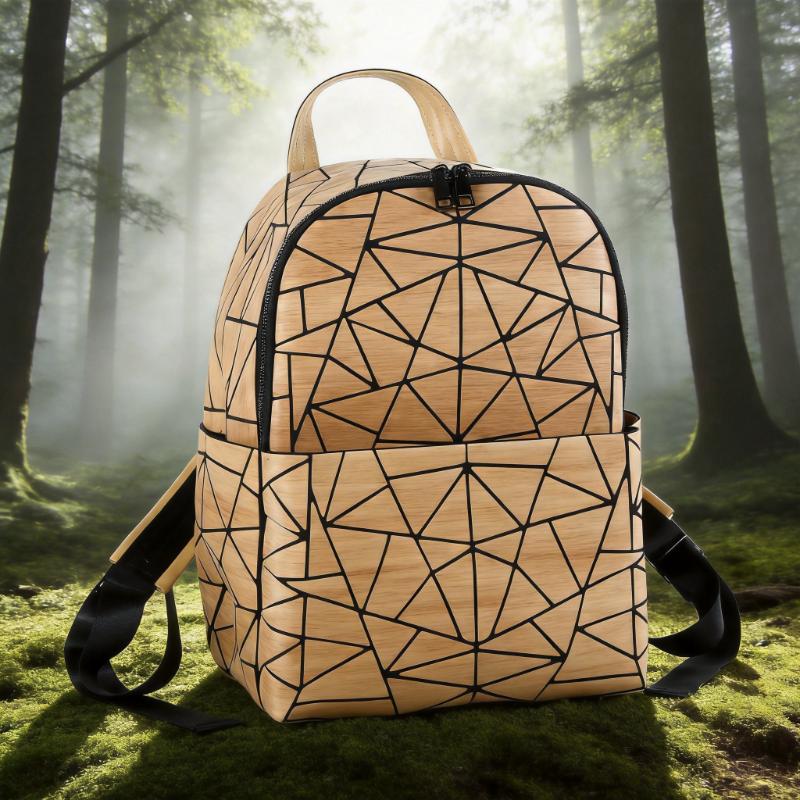
Yes, modern designs allow cork handbags to be suitable for both casual and semi-formal settings.
9. Conclusion and Buying Advice
Cork handbags represent a practical fusion of sustainability, design innovation, and everyday functionality. As consumers increasingly prioritize eco-conscious choices, cork-based fashion accessories are becoming a mainstream alternative to traditional materials.
Whether for personal use or retail sourcing, working with experienced manufacturers ensures product consistency and design quality. Guangzhou Hillwood Luggage & Leather Co., Ltd. continues to support global clients with professionally developed cork handbag solutions tailored to evolving market demands.
If you are looking to explore high-quality cork handbag options or develop custom designs for your brand, contact us today to discuss your requirements and start building your next product line with confidence.
Related News
- Derived from nature, crafted for fashion: The transformation journey of a piece of cork bark
- How To Win Clients And Influence Markets with CORK
- 6 Reasons Why Vegan Cork Handbags Are Better!
- How to maintain the cork bag
- what is cork vegan leather – Nature’s Finest Choice
- Sustainable cork bags guide: everything you need to know
Leave me a message